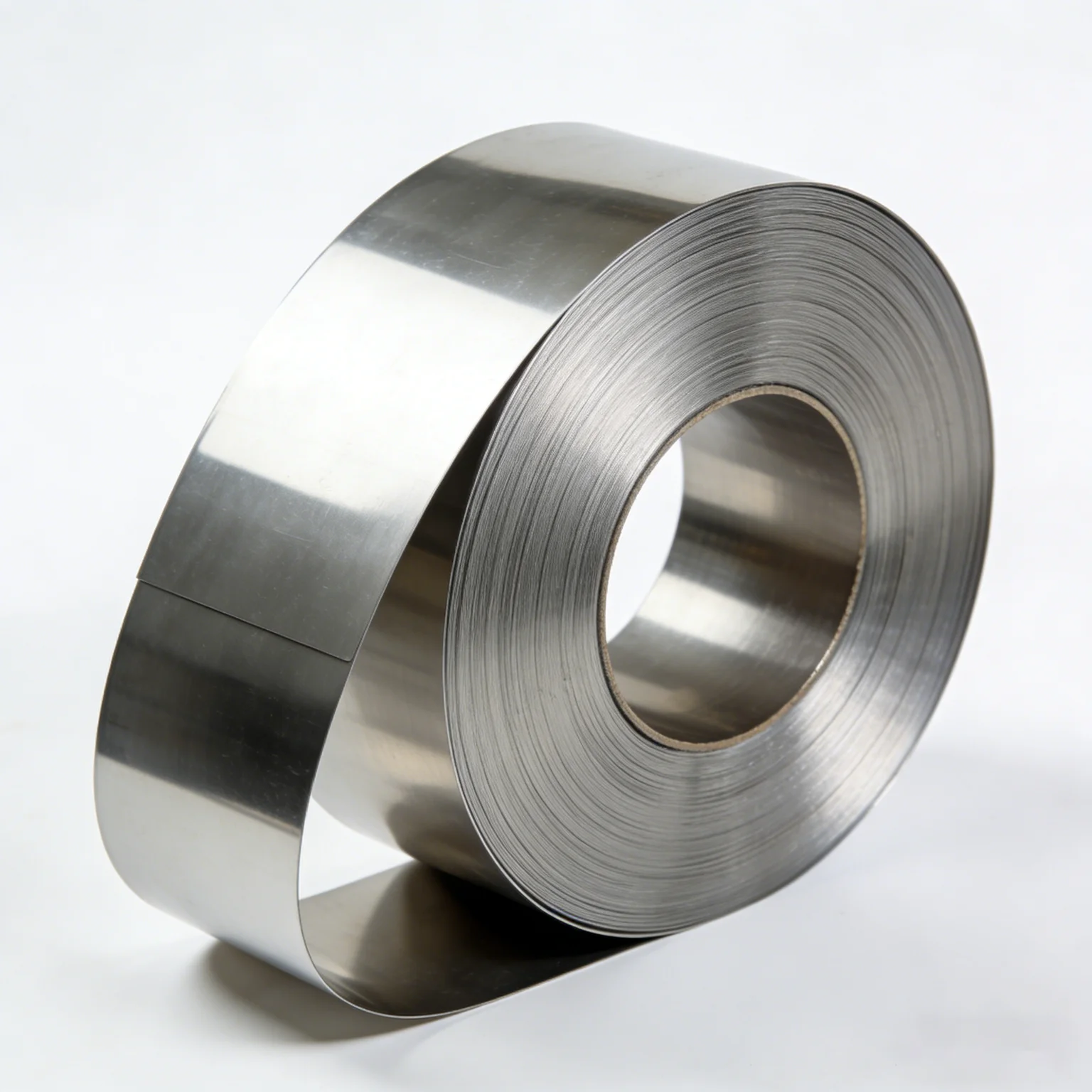
Cold Rolled vs Hot Rolled Steel: The Decision Guide Buyers Actually Use
Most teams know the textbook difference between hot rolled and cold rolled steel. The real difficulty appears when a project has cost pressure, tolerance requirements, and fabrication constraints at the same time. That is when “either is fine” turns into scrap, rework, or over-specification.
This guide is built around decision points used in purchasing and production meetings.
Start With the End Use, Not the Mill Process
Before selecting material, answer four questions:
- How tight are dimensional tolerances in the final assembly?
- Is surface appearance functional, cosmetic, or irrelevant?
- What forming severity is expected (simple bends vs precision stamping)?
- How much cost penalty can the project tolerate for better consistency?
Your answers usually point to the right route faster than debating process details first.
Where Hot Rolled Is Usually the Better Choice
- Structural or heavy fabrication where appearance is secondary
- Applications with wider dimensional tolerance windows
- Parts that will be machined, blasted, or heavily processed later
- Projects where cost efficiency per ton is a priority
Hot rolled can be the more intelligent choice when the application does not need precision-grade surface and tolerance control.
Where Cold Rolled Earns Its Premium
- Thin-gauge applications requiring consistent thickness and flatness
- Visible parts where finish quality matters
- Stamping or forming processes sensitive to material variation
- Assemblies where tolerance stack-up must be tightly controlled
Cold rolled is not “better steel.” It is better process control, and that matters when downstream variability is expensive.
Cost: Look Beyond Purchase Price
Hot rolled often wins on invoice price. Cold rolled often wins on process yield. The better option depends on your total cost stack:
- Material price per ton
- Scrap and rework rate in forming/fabrication
- Surface preparation cost before painting/coating
- Cycle time impact and tool wear behavior
- Quality claim risk after delivery
Many projects that “saved” on material later paid more in processing instability.
Tolerance and Flatness: Where Problems Usually Start
If your downstream operation includes laser cutting, precision bending, or automated assembly, variation in thickness and flatness can become a hidden bottleneck. Teams often discover this after production starts.
A practical fix: run trial lots before locking annual volume, especially when changing source or switching between hot and cold rolled inputs.
Surface Condition and Coating Readiness
Hot rolled may require extra cleaning or preparation before coating systems. Cold rolled typically gives a cleaner starting point for paint-critical parts. If your project has strict coating performance expectations, include prep assumptions in cost comparisons.
Fabrication Notes for Engineering Teams
- Do not assume same bend behavior between routes at the same nominal grade.
- Check springback behavior under your actual tooling setup.
- Define acceptable cosmetic conditions in advance for exposed components.
- Align welding prep requirements with surface condition realities.
Simple Selection Framework
Pick hot rolled when strength and cost dominate, and tolerance/finish demands are moderate.
Pick cold rolled when consistency, appearance, and process stability are critical to final part quality.
If requirements are mixed, split sourcing by component type instead of forcing one material route across all parts.
Common Purchasing Mistakes
- Ordering by old habit without checking current process requirements
- Using one specification for both structural and precision parts
- Comparing quotes without factoring downstream conversion cost
- Skipping trial validation when changing suppliers or route
Final Advice
The best choice between hot rolled and cold rolled is application-specific and process-specific. When in doubt, evaluate with your real tolerances, forming route, and coating requirements before committing volume.
Send your target dimensions and end-use process details if you want a quick side-by-side recommendation that includes both purchase and conversion cost impact.