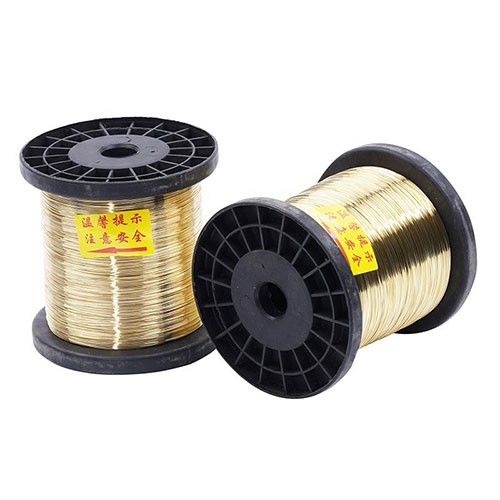
Copper Grounding Wire: Selection Guide for Low-Resistance Earthing Systems
Grounding wire is a safety-critical conductor in electrical systems. Procurement decisions should therefore prioritize conductivity stability, mechanical suitability, and environmental durability rather than unit price alone.
What to Define First
- System current-carrying and fault conditions
- Installation environment (indoor, outdoor, buried, humid, corrosive)
- Required conductor form (solid or stranded)
- Cross-section and acceptable tolerance
Environment Changes Material Strategy
For harsh or moisture-prone environments, surface protection and connection design become critical. Even high-quality copper can underperform if terminations are poorly protected against corrosion.
Installation and Connection Considerations
- Bending radius and routing constraints
- Compatibility with lugs, clamps, and bonding hardware
- Mechanical protection at high-abrasion points
- Identification and traceability for maintenance
Inspection and Acceptance
- Cross-section verification
- Surface condition and coating check where specified
- Conductivity certificate review
- Package labeling consistency with project list
Bottom Line
Grounding wire is not a commodity shortcut item. Define electrical and environmental requirements clearly, and verify connection compatibility before purchase to ensure long-term system safety.