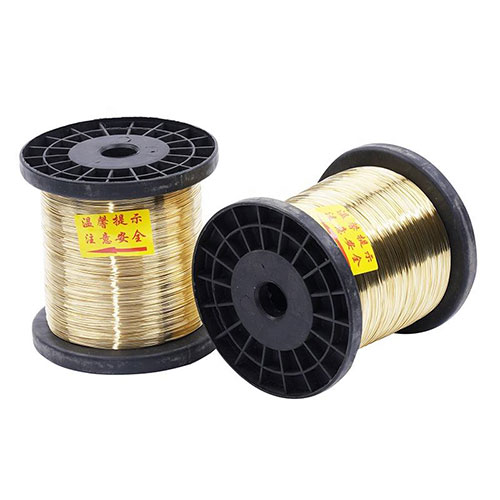
Copper Magnet Wire: Selection Notes for Motor and Transformer Applications
Magnet wire is a precision conductor used in motors, transformers, coils, and electromagnetic components. In this product, conductor quality and insulation system consistency are both critical. Small variation can translate into winding defects, thermal stress failures, or electrical efficiency loss.
Define Electrical and Thermal Requirements First
- Conductor size tolerance and roundness target
- Required insulation class and thermal rating
- Voltage stress and dielectric requirements
- Application-specific winding speed and handling conditions
Why Insulation System Is a Core Purchase Item
For magnet wire, copper is only part of performance. Insulation build uniformity and adhesion quality determine how wire behaves during winding, impregnation, and long-term operation.
Quality Control Points
- Conductor diameter consistency
- Insulation thickness stability
- Surface condition and defect control
- Spool winding quality for high-speed processing
Typical Use Cases
- Motor stator and rotor windings
- Transformer coils
- Inductors and electromagnetic components
Bottom Line
Magnet wire sourcing should always align conductor tolerance, insulation class, and process compatibility. Clear technical definitions at order stage reduce production instability and field failure risk.