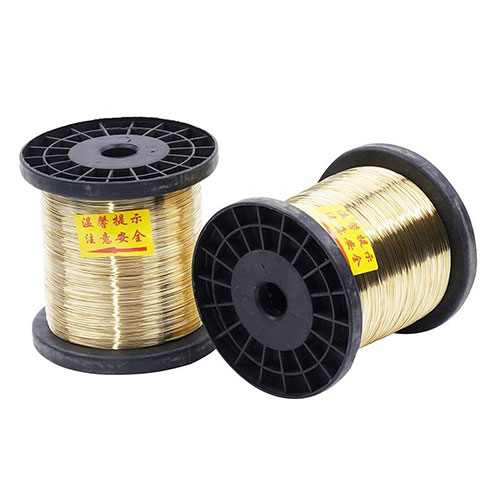
Copper Solid Wire: Practical Selection for Stable Conductive Paths
Solid copper wire is widely used where a fixed conductor shape, consistent contact behavior, and straightforward termination are preferred. Compared with stranded options, solid wire typically offers higher rigidity and simpler handling in specific installation scenarios.
Where Solid Wire Is Commonly Used
- Building and fixed installation wiring
- Bus and connection jumpers in controlled layouts
- Grounding links with low movement demand
- General electrical components requiring form stability
Specification Points to Include in PO
- Nominal diameter and tolerance
- Conductivity requirement
- Temper/softness condition where relevant
- Surface requirement (bare or coated)
- Spool size and packaging condition
Handling and Installation Notes
Because solid wire has lower flexibility, repeated tight bending can cause work hardening and crack risk. Align diameter and routing requirements with actual installation geometry before order finalization.
Incoming Inspection Priorities
- Diameter consistency by sample points
- Surface cleanliness and oxidation condition
- Conductor continuity and straightness behavior
- Document match to ordered standard
Bottom Line
Solid copper wire performs well when rigidity and stable geometry are required. Correct dimension and handling planning are key to avoiding field installation issues.