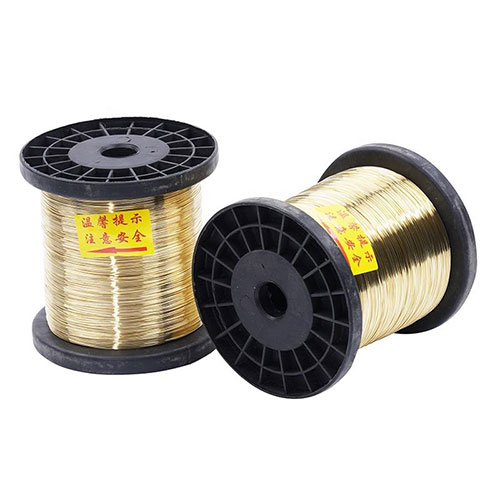
Copper Stranded Wire: Choosing Construction for Flexibility and Current Capacity
Stranded copper wire is selected when flexibility, vibration tolerance, and installation handling matter more than rigid form. In sourcing, the most common failure is specifying cross-section but ignoring strand construction details that directly control bend behavior and termination performance.
Key Parameters to Define
- Total cross-sectional area
- Strand count and individual strand diameter
- Conductor class (where applicable)
- Surface condition (bare, tinned, or other requirement)
- Packaging format for your assembly workflow
Performance Trade-Offs
Higher strand count with finer strands usually improves flexibility, but may change processing behavior in cutting, stripping, and termination operations. Match conductor construction to actual installation and bending cycle requirements.
Common End Uses
- Power distribution assemblies
- Grounding and bonding systems
- Automotive and equipment harnesses
- Industrial control and flexible connection points
Quality Control Points
- Verify strand count and lay uniformity
- Check conductor diameter tolerance
- Review conductivity-related certificate values
- Inspect spool or coil packaging integrity
Bottom Line
For stranded copper wire, construction details are as important as nominal size. Clear requirements on stranding and finish reduce installation issues and long-term reliability problems.