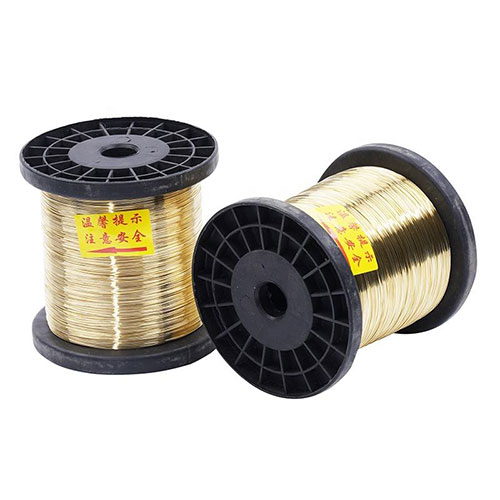
Copper Welding Wire: Procurement Notes for Stable Welding Performance
Copper welding wire is used in applications where conductivity and joining performance are both critical. Inconsistent wire quality can lead to unstable arc behavior, spatter issues, and variable weld appearance, especially in production lines with tight repeatability targets.
Core Purchase Parameters
- Wire diameter and tolerance
- Chemical composition requirement
- Surface condition and cleanliness standard
- Spool dimensions and feeding compatibility
- Certificate requirements and batch traceability
Process Compatibility Matters
Wire should be selected with your actual welding setup in mind, including feeder type, shielding approach, and target deposition profile. A technically acceptable wire can still perform poorly if feed stability and setup compatibility are ignored.
Quality Checks to Prioritize
- Consistent wire diameter along spool length
- Low contamination and clean surface finish
- Winding quality to prevent feeding interruptions
- Document match to ordered chemistry window
Typical Applications
- Copper component joining and repair
- Electrical connector fabrication
- Heat-exchanger and conductive assembly work
Bottom Line
For copper welding wire, feeding reliability and chemistry consistency are the two most important practical controls. Align wire specification with real process conditions before order release.