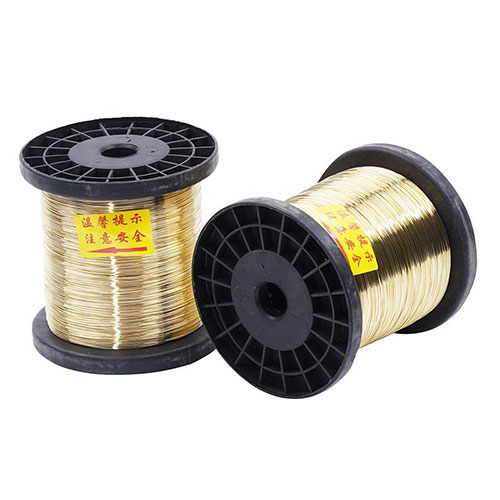
ETP Copper Wire: Practical Buying Guide for General Conductive Applications
ETP copper wire is commonly selected where strong electrical conductivity and broad process compatibility are needed. Because it is used across many downstream products, stable wire quality is more valuable than chasing the lowest unit price.
What to Define Before RFQ
- Required conductivity level and test basis
- Wire diameter range and tolerance
- Temper condition for your processing route
- Surface cleanliness and oxidation limits
- Packing format and spool dimensions
Processing Considerations
ETP wire is used in drawing, stranding, and forming operations. Consistent diameter and clean surface help reduce line stops and maintain stable finished-product quality.
Incoming Quality Checks
- Dimensional verification at multiple points
- Surface and visual defect screening
- Certificate review for conductivity and composition
- Label and batch traceability confirmation
Typical Applications
- Power and control conductors
- General electrical wiring products
- Industrial copper components
Bottom Line
For ETP copper wire, consistency is the real cost driver. Buyers who define processing-relevant requirements clearly usually get better yield and fewer quality interruptions.