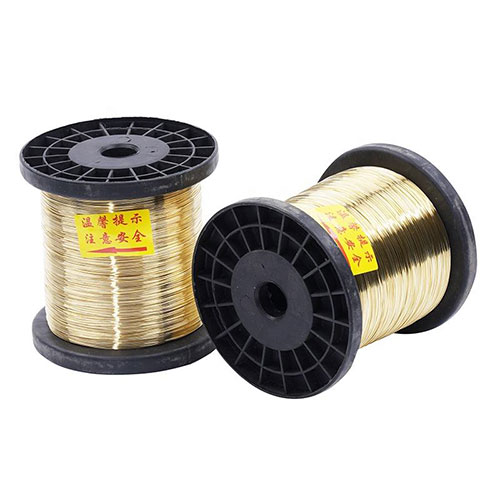
Oxygen-Free Copper Wire: When High Purity Is Worth the Premium
Oxygen-free copper wire is typically selected for applications where high purity, conductivity stability, and process reliability are critical. It often carries a price premium, so the key decision is whether your application benefits enough to justify that premium.
Where OFC Wire Is Commonly Preferred
- High-performance electrical and electronic components
- Precision conductive paths with strict signal or loss requirements
- Applications sensitive to impurity-related performance drift
Specification Items to Lock
- Purity and conductivity requirements
- Diameter tolerance and temper condition
- Surface quality and allowable defect level
- Traceability and certificate expectations
Procurement Risks to Avoid
- Buying “high purity” material without numerical acceptance criteria
- No alignment on test method and reporting format
- Ignoring packaging and storage conditions for long transit
Receiving and Verification
For premium copper wire, receiving control should include dimensional checks, document review, and sample validation aligned with project-critical properties.
Bottom Line
Oxygen-free copper wire is most valuable when your performance requirements are truly purity-sensitive. Define those requirements clearly and verify with evidence-based acceptance.