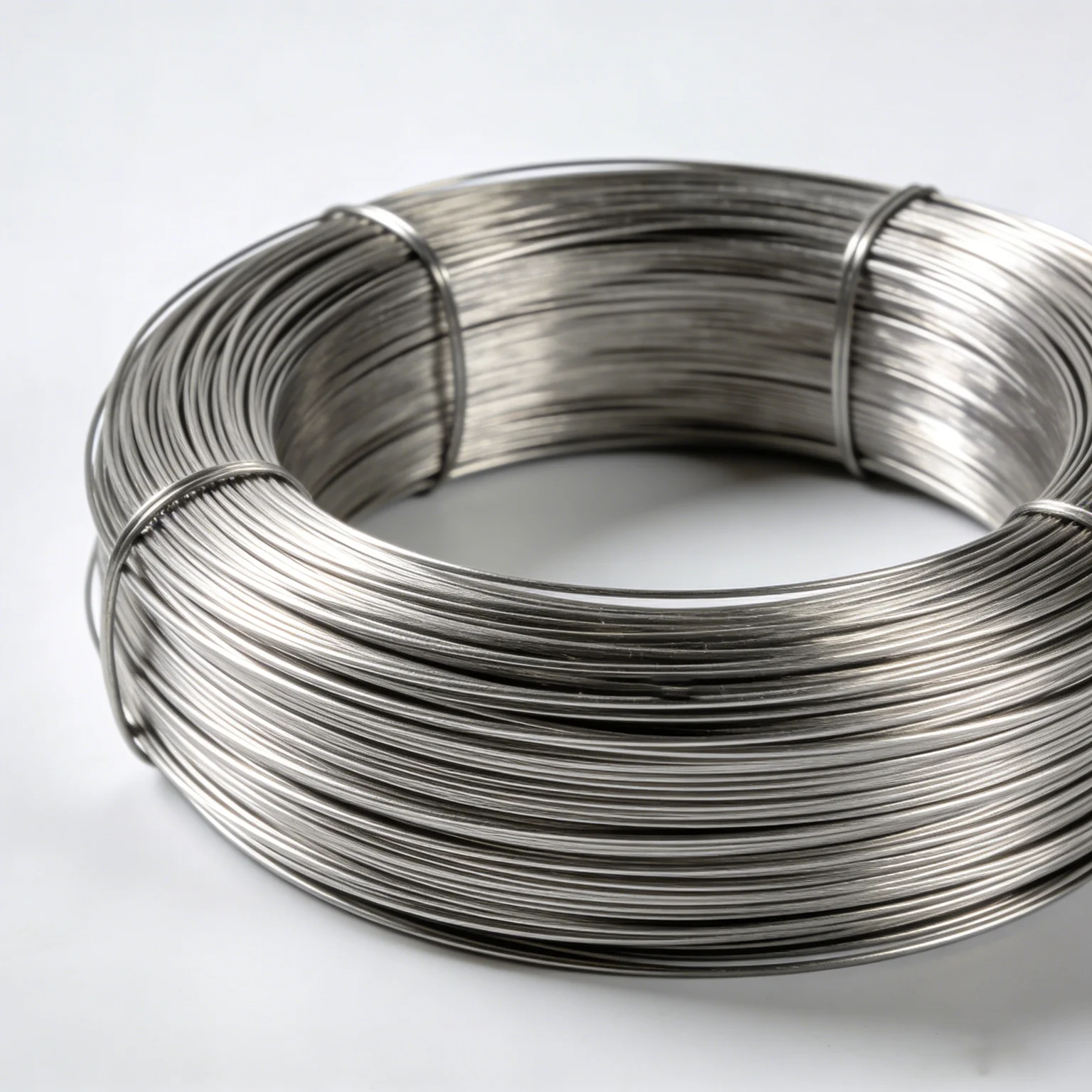
For steel export, good packing is not “extra”—it protects your material value. Most disputes come from moisture, handling damage, or incorrect marking. Below is a practical checklist we use to keep coils and plates safe for sea freight.
Main risks during sea freight
- Condensation (temperature changes) → water stains and rust
- Salt/chemical exposure at port
- Forklift impact → edge damage / dents
- Loose lashing → shifting during transit
Coil packing checklist (GI / stainless / carbon)
- Inner wrap: VCI paper or moisture barrier (as required)
- Outer wrap: waterproof paper + metal sheet cover (common export option)
- Edge protectors: inner/outer ring + side guards
- Strapping: steel straps with protectors to avoid cutting into the coil
- Skids: fumigation-free wooden skids or steel skids
- Orientation: confirm eye-to-sky / eye-to-wall per container plan
Plate / sheet packing checklist
- Surface protection: PVC film (if required), paper interleaving
- Corner/edge protection: protectors + guards to prevent strap damage
- Pallet: strong export pallets (fumigation-free), sized for forklift access
- Strapping: 4–6 straps depending on bundle weight and size
- Outer cover: waterproof wrap + labeling on multiple sides
Container loading (simple but important)
- Inspect container: dry, no odor, no holes, clean floor
- Use dunnage and anti-slip materials
- Add desiccants when shipping to humid climates
- Proper lashing: prevent shifting; avoid direct steel-to-steel contact
- Take loading photos: before/after lashing for records
Before shipment: confirm these items
- Marking: grade, size, heat number (if required), bundle number
- Documents: MTC/COC, packing list, invoice, BL instructions
- Weights: net/gross per package and per container
- Special requests: inspection, photos, extra labels, OEM tags
Need export packing with photos and documents? Send your spec.