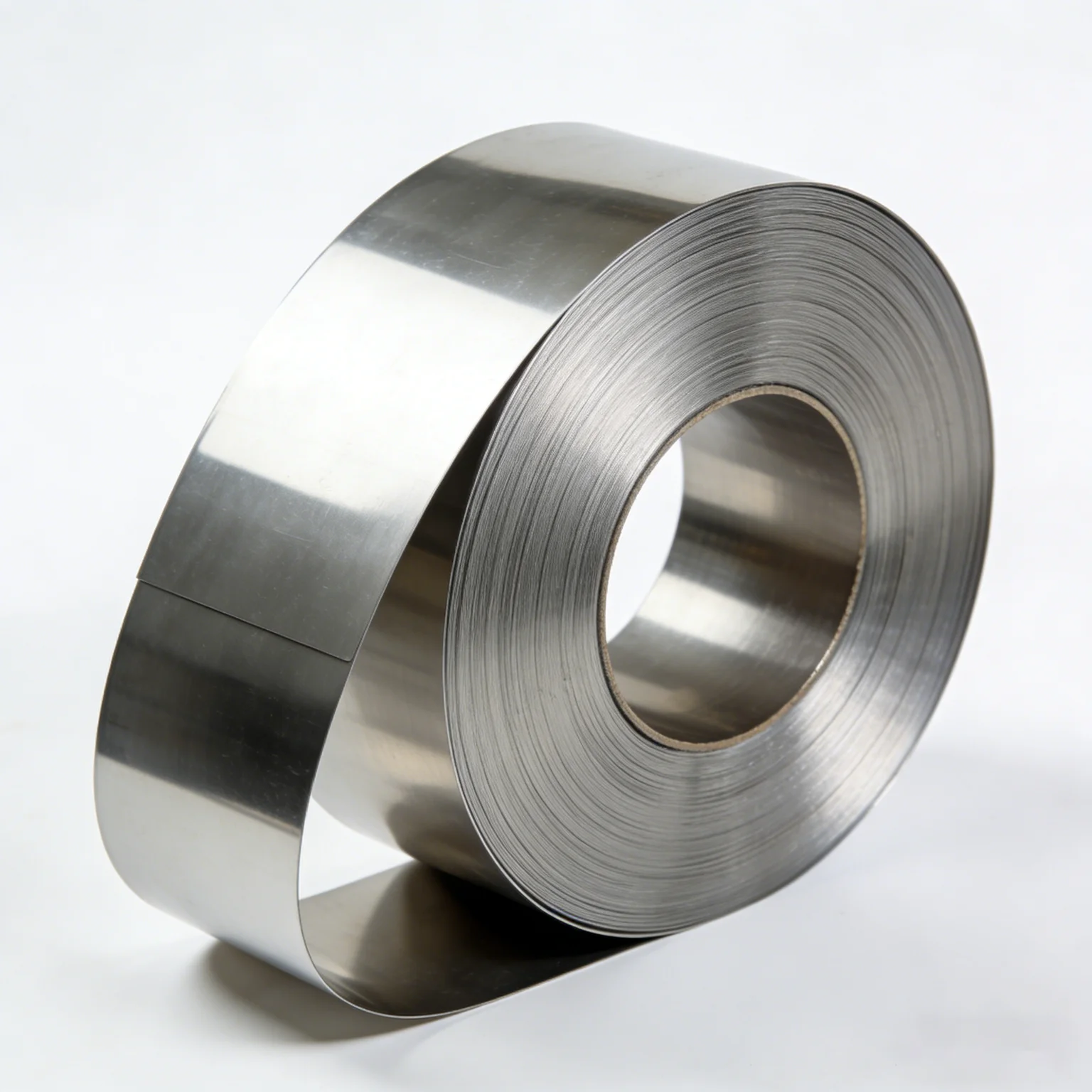
Galvanized steel is one of the most cost-effective ways to improve corrosion resistance for outdoor and humid environments. But “galvanized” can mean very different things depending on coating weight, base steel grade, and (for PPGI) the paint system.
What does Z60 / Z100 / Z275 actually mean?
In EN standards (e.g., EN 10346), Z is the total zinc coating weight on both sides, in g/m². For example, Z275 means 275 g/m² total. As a rough reference, zinc thickness is about 0.14 μm per 1 g/m², so Z275 is roughly ~38 μm total (both sides combined).
In ASTM (e.g., ASTM A653), coating is often specified as G (galvanized) or A (galvanneal) with values like G60 / G90, which are in oz/ft² (total both sides). Always confirm the standard when comparing.
GI vs PPGI: how to choose
- GI (Galvanized): plain zinc-coated steel. Good for ducting, general fabrication, structural accessories, and as a substrate for further painting.
- PPGI (Pre-painted): galvanized steel + primer + topcoat. Best for roofing, wall cladding, sandwich panels, and applications where appearance matters.
For PPGI, “good paint” is not one thing—ask for paint type (PE/SMP/HDP/PVDF), topcoat/backcoat thickness, and color (RAL code).
RFQ checklist (fast quote, correct material)
- Standard: EN 10346 (DX51D+Z) / ASTM A653 (CS Type B + G90) / EN 10169 (PPGI)
- Base thickness + width, coil or sheet (length if sheet)
- Coating: Z60–Z275 (or G60/G90), and any special requirements
- Surface: regular spangle / minimized / zero spangle; oiled / dry / chromated/passivated
- Coil ID: 508 mm or 610 mm; max coil weight
- Quantity + destination port + Incoterm (FOB/CFR/CIF/EXW)
- Packing: seaworthy export + edge protectors + eye-to-sky/eye-to-wall
Practical tips
- Higher coating weight improves corrosion resistance, but storage and installation quality still matter (keep coils dry, avoid water traps).
- For marine/coastal projects, consider a higher zinc coating and an appropriate paint system (for PPGI) or topcoat after fabrication.
- Ask for MTC/COC and coating test results when the project is critical.