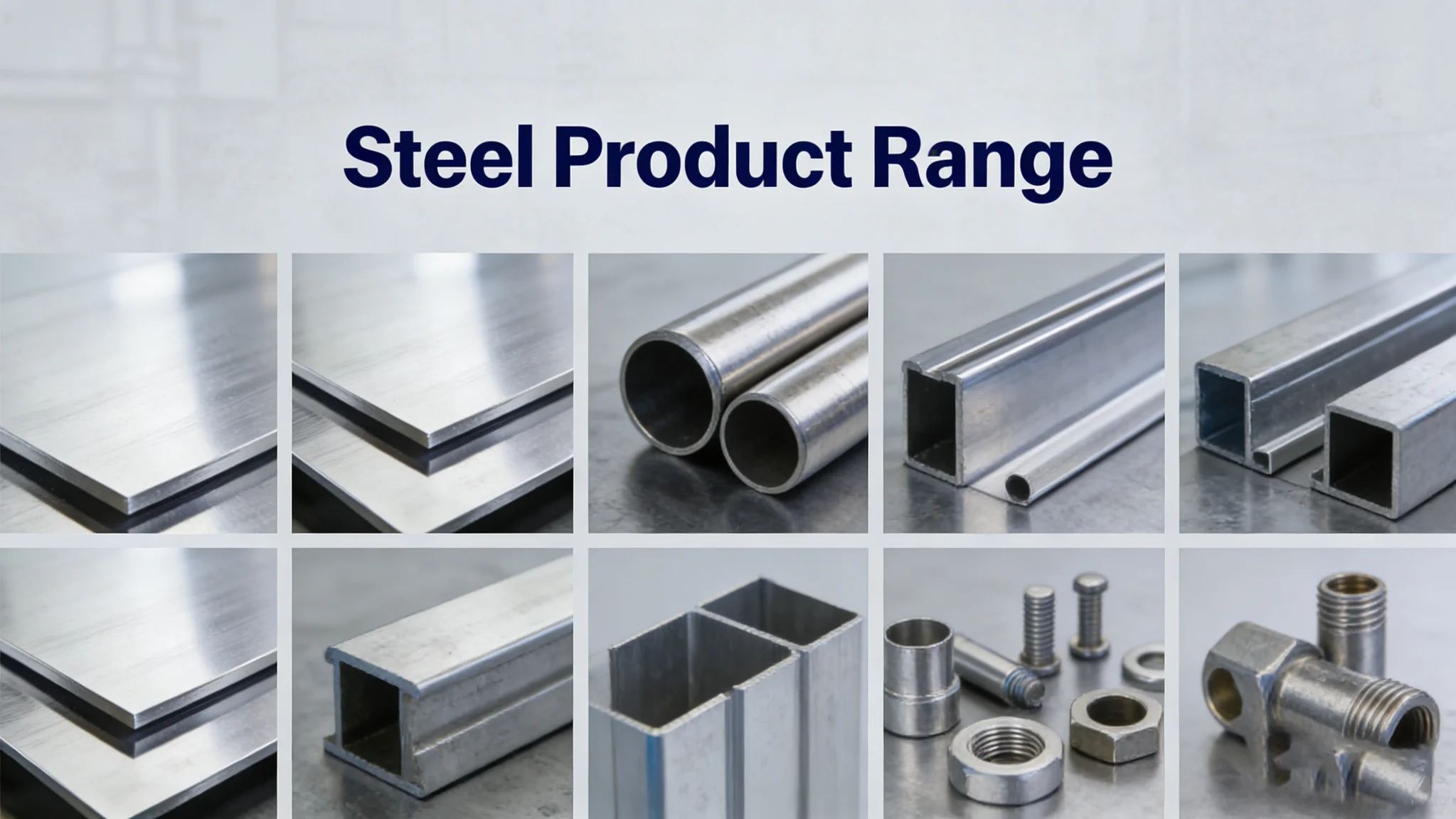
A pre-shipment steel inspection is the buyer’s last real chance to catch the wrong grade, the wrong size, or the wrong packing before the cargo becomes a shipping problem instead of a factory problem. The release decision should never be based on a few photos and a promise that everything is “standard.” It should be based on whether the lot on the floor actually matches the order, the certificate, and the way the material will be used after arrival.
That matters even more when the order mixes different products. A container with carbon steel plate, stainless steel pipe and tube, or coated material from the galvanized category can look acceptable at first glance and still create trouble once the cargo is unpacked at destination.
Start with the paperwork before you start measuring
Bring the purchase order, the final specification list, and the latest test certificate requirements to the inspection table. The inspector should know the ordered grade, standard, dimensions, finish, quantity, packing request, and any special points such as PMI, third-party witnessing, or edge protection. If those details are vague, the factory and the buyer will judge the material by different standards. The fastest way to avoid that mismatch is to check the release package against the order and the shipping documents before checking individual pieces.
The first three checks tell you whether the lot is basically correct
First, confirm identity. Heat numbers, coil numbers, grade markings, and bundle tags should be readable and traceable back to the mill test certificate. Missing or inconsistent identification is a serious warning sign, because once the tags disappear in transit, it becomes hard to prove what was actually shipped.
Second, confirm quantity and packing units. Count bundles, sheets, coils, or lengths before focusing on small tolerances. Buyers lose time when they argue about a minor scratch while a full bundle is missing from the shipment.
Third, look for obvious mix-ups. Mixed thicknesses, substituted finish, incorrect end preparation, white rust on coated material, or transit damage that already happened inside the yard should be flagged before the detailed sampling starts.
Measure what can actually fail in service
Plate and sheet. For stainless sheet and plate and flat carbon products, the critical checks are thickness at several points, width, length, flatness, edge condition, and surface marks that would still be visible after fabrication. One center measurement is not enough. Buyers should check corners and edge zones where under-thickness and handling damage are more likely.
Pipe and tube. For carbon steel pipe or stainless tube, confirm outer diameter, wall thickness, straightness, end preparation, and marking continuity. If the project depends on schedule or pressure rating, the thickness check matters more than a cosmetic issue. The published guide on steel pipe grades is useful when the buyer is comparing similar-looking but not interchangeable material.
Coil and coated products. Coils need width, thickness, coating condition, wrap integrity, and stable packing. Telescoping, collapsed eye sections, edge waviness, or moisture trapped under the wrap are problems that only get worse during ocean transport.
Sampling should reflect the risk, not just the order size
Not every order needs 100 percent inspection, but the sampling plan should follow the consequence of failure. Commodity stock for general fabrication can be sampled by bundle or by coil. Material going into pressure parts, food equipment, or customer-facing finished goods deserves deeper checking because the cost of rejection after arrival is much higher. When the supplier is new, the safest approach is to increase the sampling rate on the first order and reduce it only after the execution history is proven.
Do not release cargo until the documents agree with the floor
The inspection result is only complete when the measurements, markings, packing count, and certificate package all tell the same story. If the mill test certificate covers a different heat, the packing list uses different quantities, or the invoice description is broader than the actual ordered grade, the shipment should not be released just because the dimensions look close enough. A practical buying sequence is simple: inspect the lot, compare it with the certificate, photograph the packing, and only then approve loading or balance payment.
Common reasons to hold shipment
- Heat numbers on the material do not match the test certificate.
- Thickness or wall results drift outside the agreed tolerance.
- Surface damage is concentrated on the visible or functional face.
- Packing is too weak for ocean freight or mixed cargo handling.
- The supplier cannot explain a quantity or marking discrepancy clearly.
A disciplined pre-shipment steel inspection does not slow the transaction down. It prevents the expensive version of the same conversation from happening after the vessel has sailed.
Useful follow-up pages
If this inspection is tied to a live order, these pages help you close the remaining gaps before loading:
- Carbon steel plate category for flat product sourcing and tolerance review.
- Stainless steel sheet and plate category when finish and surface condition are critical.
- Steel import documents checklist for certificate and packing cross-checks.
- Questions to ask a steel supplier before approving repeat orders.
- Calculating steel weight formulas when quantity verification depends on theoretical weight.