Steel weight calculation looks simple until a quote, a packing list, and a receiving report all show different numbers. At that point the formula is no longer an academic exercise. It becomes a purchasing, freight, and claim-management issue. Buyers use theoretical weight to compare quotations, estimate container use, and spot quantity problems before payment. They use actual weight to reconcile what really arrived.
The safest way to think about the topic is this: weight is always volume multiplied by density. Everything else is just a convenient shortcut for a specific shape. That matters whether you are buying carbon steel plate, pipe, or sections from the profiles category.
Use formulas that match the actual product form
Plate and sheet. Weight in kilograms equals thickness in meters multiplied by width in meters, length in meters, and density. For carbon steel, buyers usually work with a density near 7850 kg/m3. Stainless steel is slightly higher, so if you are checking polished or cut material from the stainless sheet and plate range, use the density for the specific grade instead of assuming carbon steel values.
Round bar. Start with the cross-sectional area of the bar, multiply by length, then multiply by density. This is more reliable than using a copied constant if the diameter is being converted between inches and millimeters.
Pipe and tube. Use the area of the outer circle minus the hollow inner area, then multiply by length and density. The point that buyers miss most often is wall thickness: schedule, nominal thickness, and actual measured thickness are not interchangeable. If pipe weight is tied to freight settlement or to a release check, compare the formula with the pipe standard, not just with the supplier’s table. That is especially important when reviewing pipe grade and specification differences.
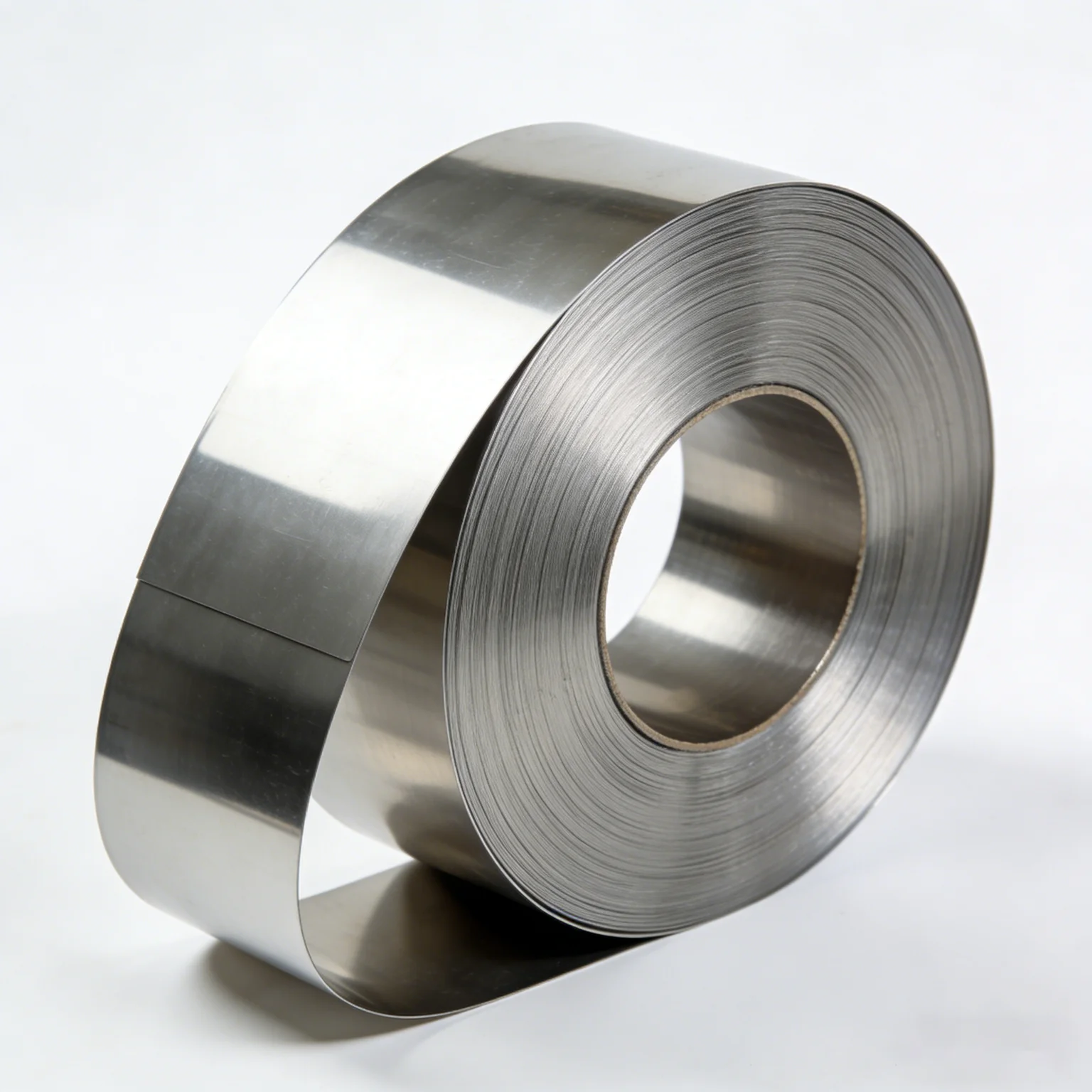
Coil and strip. Weight equals thickness times width times total strip length times density. In practice, coil buyers usually work backward: if the supplier gives coil weight and dimensions, the formula helps you test whether the numbers are believable before shipment.
Theoretical weight is useful, but it is not the whole story
Theoretical weight helps you compare offers fairly. Actual shipped weight includes tolerance variation, coating, moisture protection, skids, and packing. That is why a buyer should never use one figure for every purpose. Theoretical weight is useful for costing and fast comparison. Actual gross and net weight are what matter for loading, customs, and receiving. When those numbers drift too far apart, the issue is usually hiding in thickness tolerance, packing detail, or an incorrect quantity statement.
Where weight calculation saves money in real orders
Weight checks are most valuable before freight is booked and before balance payment is released. They tell you whether a quoted lot will fit the intended container, whether the packing list is plausible, and whether a quantity dispute is worth stopping the shipment for. The same discipline also improves pre-shipment inspection. If the theoretical tonnage of the lot is materially different from the certificate package or the bundle count, the buyer should stop and ask why before the cargo moves. That is one reason this topic links directly with both steel container planning and pre-shipment inspection.
Common causes of weight mismatch
- Nominal dimensions were used in the quote, but actual cut size was different.
- Pipe weight was calculated without checking actual wall or manufacturing standard.
- Density assumptions were copied from carbon steel to stainless material.
- Packing, wood, or protection materials were included in gross weight but treated like product weight.
- The order was split between lengths or thicknesses, but the summary sheet treated it as one uniform lot.
A buyer does not need complex software to avoid these mistakes. What matters is using the right formula for the right shape and knowing whether the decision in front of you depends on theoretical product weight or actual shipped weight.
Useful pages for quantity and freight checks
- Carbon steel plate category for flat product weight checks and order planning.
- Carbon steel pipe category when wall thickness changes weight quickly.
- Steel shipping container guide for turning tonnage into a loading plan.
- Pre-shipment steel inspection for quantity verification before release.