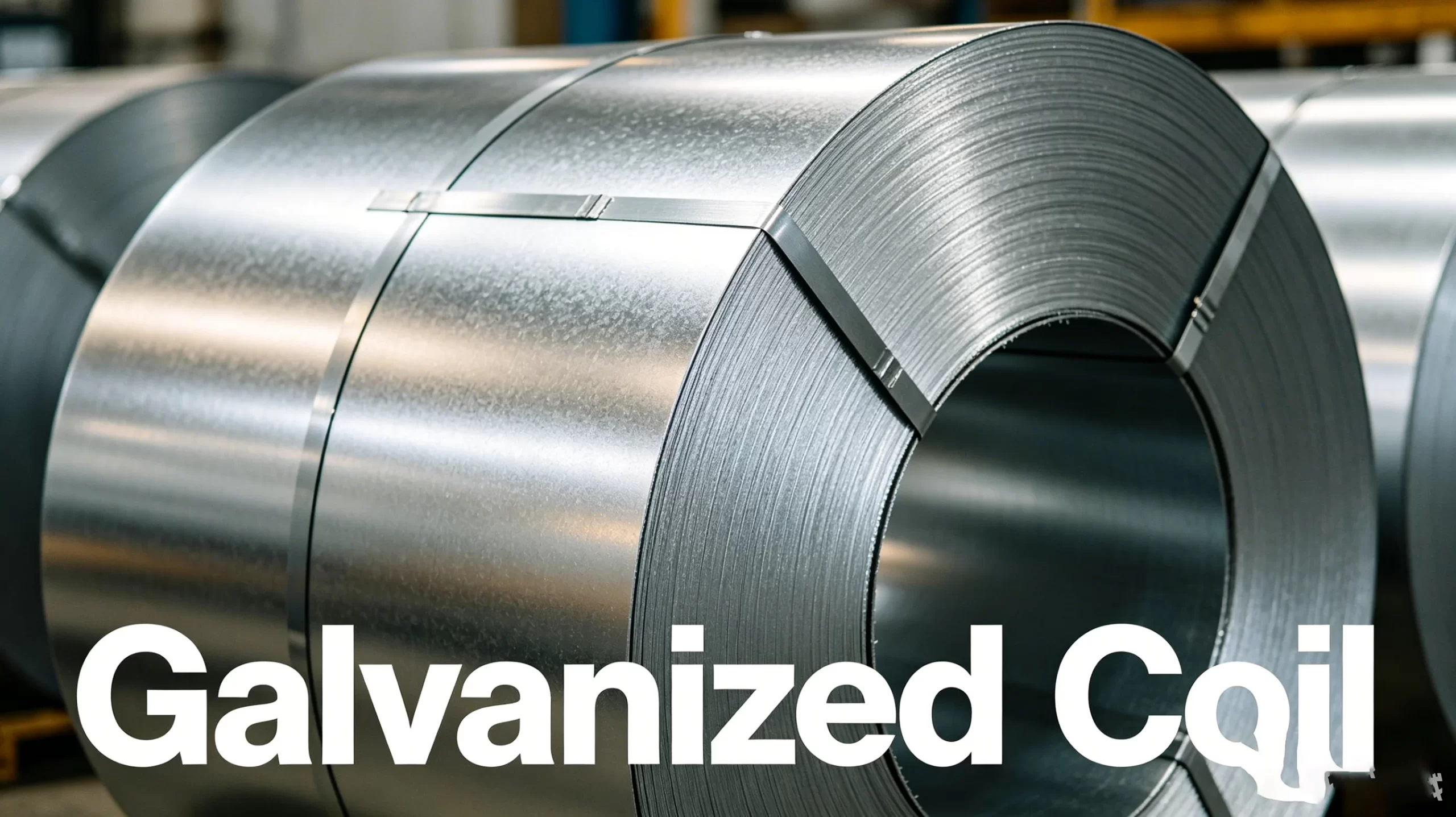
Roll forming buyers do not just need galvanized coil. They need coil that can run smoothly on a line without constant adjustment, edge damage, or width surprises. The biggest mistakes happen when the RFQ only names the grade and coating weight, but ignores the details that control line performance.
Slitting width is part of the product, not a side note
If the coil will be slit before roll forming, the final width tolerance should be written into the order. A small width error can create unstable profile formation, wasted trim, or stoppages on the line. Buyers should also confirm edge quality, camber, and whether the slitting method matches the downstream profile.
Coil ID and coil weight affect machine setup
Inner diameter, outer diameter, and maximum coil weight are not logistics details only. They control whether the material fits the uncoiler and whether the line can run at the planned speed. If the coil is too heavy or the ID is wrong, production may slow down before the first sheet is even formed.
Surface and coating must support the final profile
For roll forming, the right galvanized coating weight should be selected together with the finish and storage plan. The coil may need to survive bending, stacking, and transport before it becomes a profile. If the product will later be painted, printed, or installed outdoors, surface choice and coating margin should be decided together.
To compare the upstream material options, see DX51D+Z vs SGCC and the coating weight guide. If your product faces appearance requirements, our surface finish article is also relevant.
Roll-forming RFQ checklist
- Grade and standard
- Slit width and width tolerance
- Coil ID, OD, and maximum coil weight
- Surface finish and coating weight
- Edge condition and camber control
- End use: roofing, framing, panels, or sections
- Packing method for line-ready delivery
For direct sourcing, use the galvanized coil category and include the drawing or profile photo in your inquiry. The more complete the setup information is, the less likely you are to get a coil that looks acceptable on paper but causes problems on the forming line.