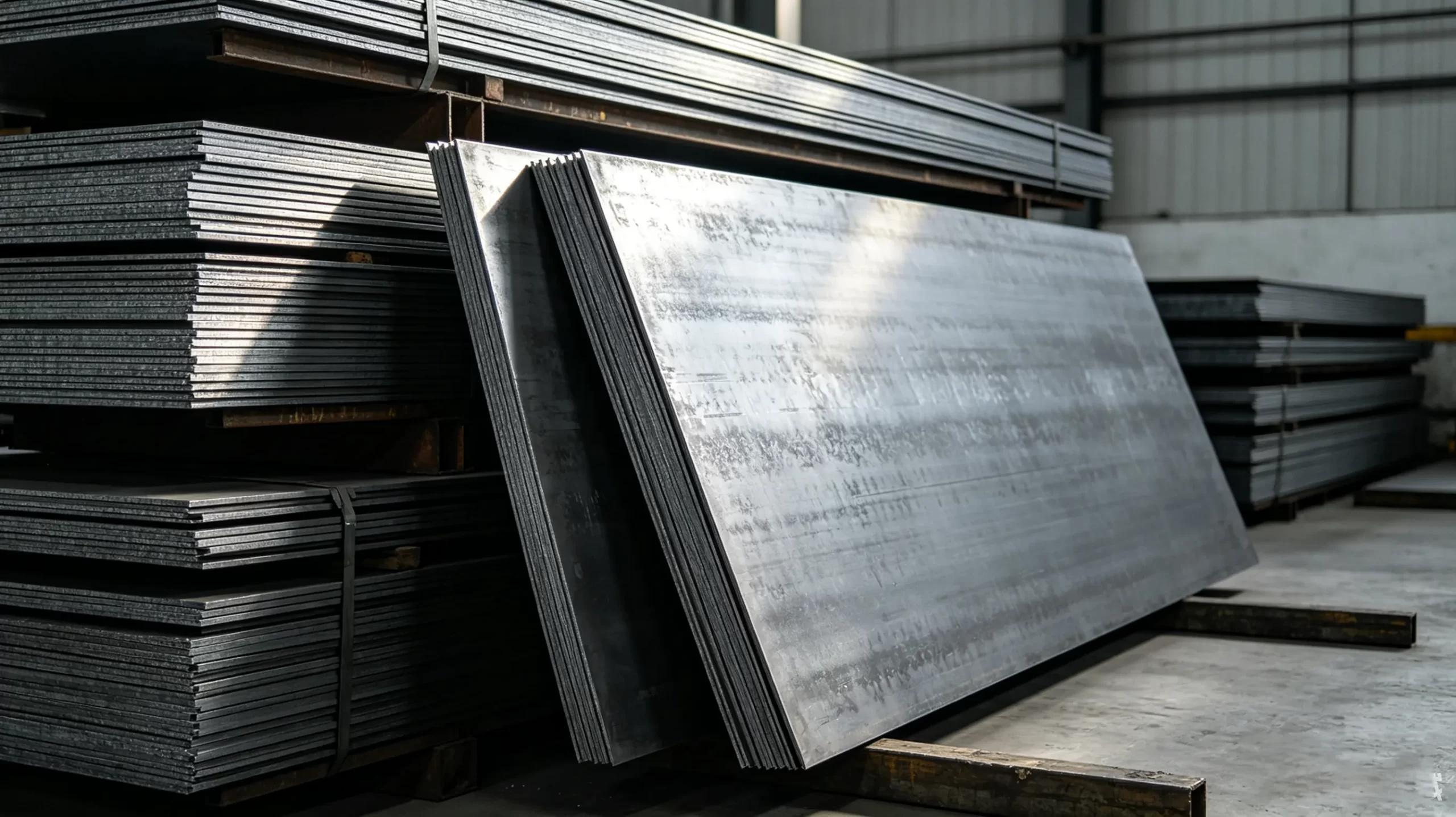
Many buyers focus on grade and thickness but leave surface condition undefined. That is a mistake, especially when carbon steel sheet may sit in storage, travel by sea, or move into processes that react badly to extra oil. In practice, the difference between oiled and dry sheet is not cosmetic. It is operational.
Choosing the wrong surface condition can create flash rust, cleaning work, welding contamination, or paint preparation delays. The right choice depends on how the material will be stored and what happens to it next.
Why suppliers offer both oiled and dry sheet
Oil is often used as temporary protection. It helps reduce short-term corrosion risk during storage and transit, especially when humidity exposure is hard to control. Dry sheet avoids that extra film and may be preferred when the material will move directly into painting, some forming operations, or processing lines that require a cleaner starting surface.
Neither option is automatically better. The better option is the one that matches the full handling route from mill to final fabrication.
When oiled carbon steel sheet is usually the safer choice
If the shipment will travel long distance, sit in warehouse stock, or face uncertain handling conditions, oiled sheet often gives buyers more protection against early rust claims. It can be especially useful when the material is standard stock rather than immediate production feed.
That said, buyers should still confirm how the bundles will be packed, whether moisture barriers are included, and how long the sheet is expected to remain in storage after arrival. Oil helps, but it does not replace proper packing and handling.
When dry sheet is commercially smarter
Dry sheet may be the better choice when the fabrication route needs less cleanup or when oil residue would slow down the next process. Some buyers prefer dry material for painting lines, certain welding operations, or applications where incoming cleaning is tightly controlled and short storage time is realistic.
The tradeoff is obvious: you gain convenience in downstream processing, but you give up some short-term corrosion protection. That tradeoff must be deliberate, not accidental.
The hidden cost is often outside the material price
Oiled sheet can add degreasing or wipe-down work. Dry sheet can add corrosion exposure risk. If buyers compare only ex-works material price, they often miss the bigger cost driver, which is how the sheet behaves in their actual supply chain. A low-cost order becomes expensive quickly when the receiving team finds rust, residue, or unplanned reprocessing.
For this reason, surface condition should be written into the RFQ and confirmed again before shipment release.
What buyers should ask before ordering
Ask how long the material will be stored, whether the shipment is by sea or local truck, whether the sheet will be painted or welded soon after arrival, and whether incoming cleaning is acceptable in your process. Those answers will usually point clearly to either oiled or dry supply.
Before approving the final order, use our pre-shipment steel inspection checklist, review these questions to ask a steel supplier, and keep the relevant Carbon Sheet & Plate supply page in the sourcing package.