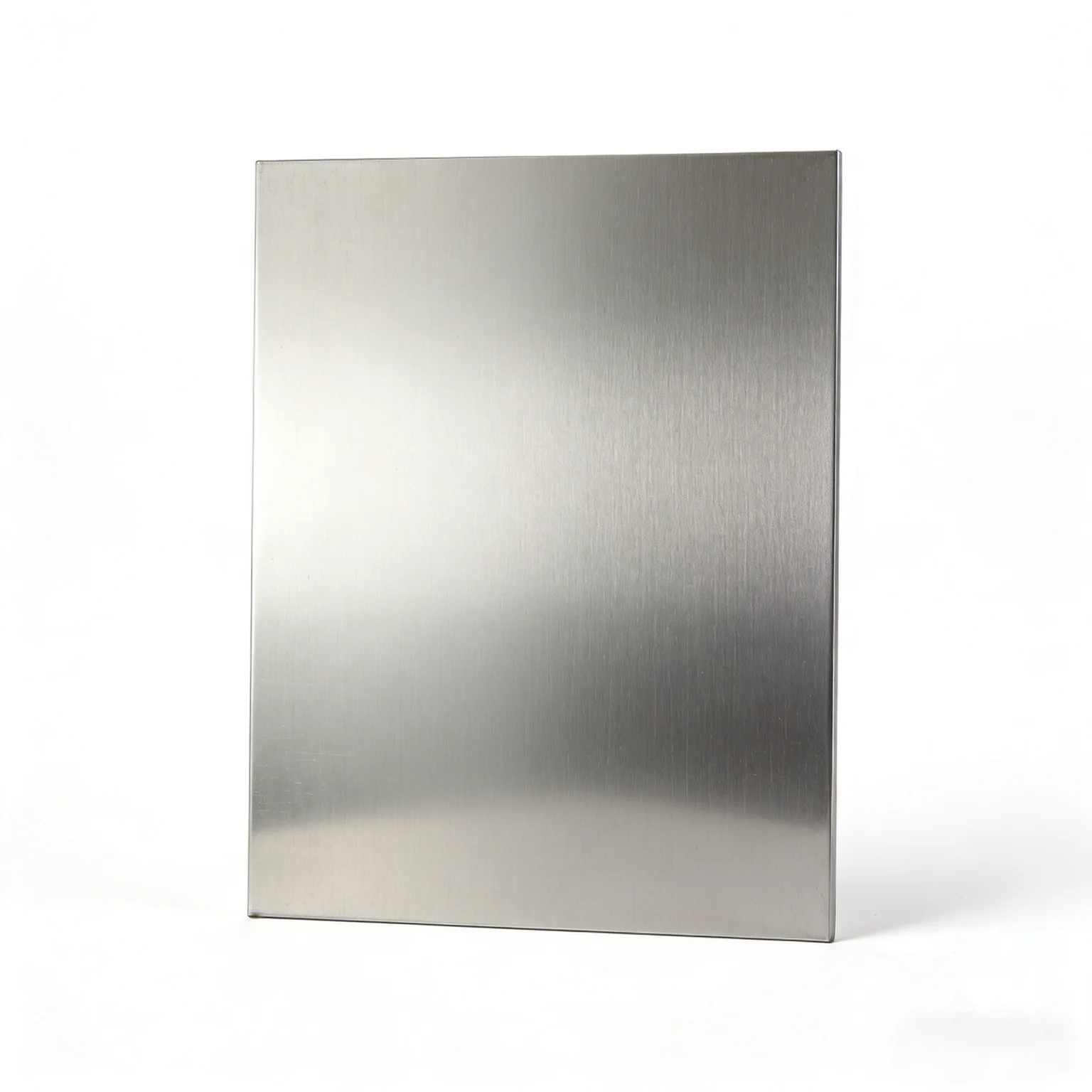
Stainless plate and stainless sheet are often treated like the same product with a different thickness label. In casual conversation that may be close enough. In purchasing and fabrication it is not. The difference changes how the material is rolled, priced, handled, protected, and inspected.
The easiest mistake is to reduce the whole question to a thickness cutoff. Thickness matters, but buyers should think in terms of end use and processing route, not just millimeters on a drawing.
Sheet usually belongs to lighter, finish-sensitive work
Stainless sheet is commonly chosen for applications where appearance, formability, and lighter-gauge processing matter. It shows up in panels, covers, kitchen equipment, enclosures, and fabricated parts that may be cut, bent, polished, or film-protected. In those orders, surface condition often matters as much as chemistry. That is why sheet buyers usually need to define finish, protection, and scratch tolerance more carefully than plate buyers.
For this type of order, the relevant sourcing path often runs through the stainless sheet and plate category and then into finish-specific decisions such as the ones explained in steel coil surface finishes.
Plate belongs to heavier service and different fabrication priorities
Stainless plate is usually chosen when the project needs more section thickness, more rigidity, or a heavier-service fabrication route. Pressure parts, base structures, tanks, wear zones, and industrial fabrication are common examples. Plate buyers tend to care more about thickness control, flatness, and cutting yield than about cosmetic surface consistency alone. That does not mean finish is irrelevant. It means the commercial logic of the order changes.
A product page like 304 stainless steel plate reflects that heavier-duty buying logic more clearly than a general decorative sheet inquiry.
The wrong category creates the wrong quote
When buyers ask for “stainless plate” but really want thin sheet with finish protection, or ask for “sheet” when the drawing clearly needs heavier plate, suppliers may still send a plausible quotation. The problem appears later as finish mismatch, unexpected cutting cost, packing issues, or poor fabrication yield. The cleanest RFQ states thickness, finish, application, and whether the order is appearance-driven or structure-driven.
Why the difference matters commercially
Plate and sheet do not move through the same cost structure. Gauge range, rolling route, cutting method, packing, and freight efficiency can all change the final offer. This is why buyers comparing flat stainless products should read form choice together with cost articles like 304 coil pricing rather than assuming all flat material sits on one price curve.
In practice, the best way to choose between stainless plate and stainless sheet is to start from the part’s real job, then work backward to the product form. That approach prevents both overbuying and specification mismatch.
Useful pages for flat stainless orders
- Stainless sheet and plate category for related flat product options.
- Stainless steel category for broader material family planning.
- 304 stainless steel plate for a plate-focused buying reference.
- Steel coil surface finishes when the order is finish-sensitive.