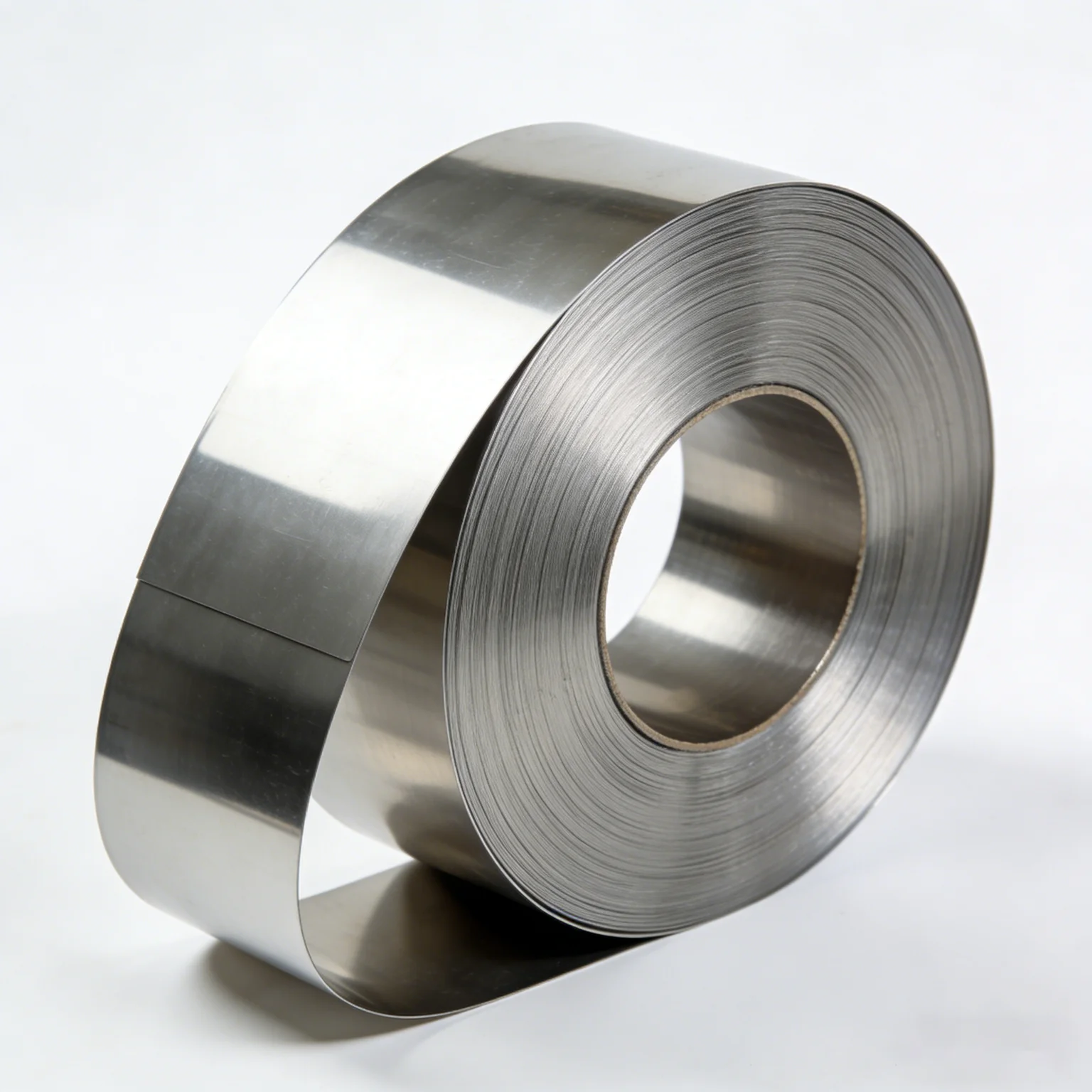
Surface finish is one of the fastest ways to turn a reasonable steel quote into the wrong product. Buyers often compare finish too late, after supplier selection, as if it were only about appearance. In reality, finish affects fabrication behavior, cleanability, scratch visibility, and how the material will be judged by the final customer.
The practical question is not which finish sounds better. It is which finish matches the part’s real use, the forming route, and the inspection standard that will be applied after delivery.
2B is usually the commercial baseline
2B finish is common because it balances cost, availability, and general fabrication usability. It works for many industrial parts, tanks, enclosures, and components that will be further processed. But that does not make it interchangeable with brighter or rougher finishes. If the part is customer-facing or visually exposed, 2B may be acceptable only if the buyer has defined the actual appearance standard instead of relying on the finish name alone.
BA is chosen for appearance and cleanability, not by habit
BA finish usually enters the conversation when reflectivity, smoother appearance, or easier cleaning matters. It is common in decorative, kitchen, and sanitary applications, but it is also less forgiving when packaging and handling are poor. Surface marks that might be acceptable on general material can become visible defects on BA. That is why buyers sourcing through the stainless steel category should define film, interleaving, and inspection expectations at the same time they define the finish.
No.1 is a different product route
No.1 is not a lower-grade version of 2B or BA. It is a hot-rolled, annealed, pickled finish used where thickness, service environment, or further fabrication make a rougher industrial surface acceptable. Buyers selecting No.1 are usually making a process decision, not an appearance compromise. That distinction matters when people compare plate and coil without checking whether the application actually needs a cold-rolled finish at all.
Finish should be compared together with product form
Many finish disputes are really form-and-finish disputes. A coil order for polished strip, a sheet order for visible panels, and a hot-rolled plate order for industrial fabrication are not solving the same problem. That is why finish selection often connects directly to articles like stainless plate vs sheet and to product-specific pages such as 304 stainless steel coil strip.
What buyers should define before approving the order
Finish name alone is rarely enough. Good orders also define protective film if needed, acceptable scratch level, whether both sides matter equally, and whether the material will be blanked, formed, or polished again after delivery. Those details usually cost less to specify upfront than to argue over after arrival. They also explain why finish choice can change the price logic discussed in 304 coil pricing.
Choosing steel coil surface finishes well is mostly about clarity. When the buyer matches finish to use case and writes the handling expectation into the order, the finish stops being a source of avoidable claims.
Relevant pages for finish selection
- Stainless steel category for finish-sensitive product families.
- 304 stainless steel coil strip for product-specific coil context.
- Stainless plate vs sheet when form choice affects finish expectations.
- Stainless steel 304 coil pricing when finish differences are changing the offer.