When buyers talk about loading efficiency, they usually mean one thing: can we fit more tons into the container? That question matters, but it is incomplete. A steel container is only truly efficient when payload, cargo stability, and unloading practicality all work together. If you maximize one and ignore the other two, the shipment becomes expensive in a different place.
That is why strong loading plans start before stuffing day. They are decided when the order mix, dimensions, packing style, and destination unloading method are still open. By the time the goods are on the warehouse floor, most loading outcomes are already locked in.
Efficiency is not the same as maximum weight
A container that is packed to theoretical limit but arrives with damaged edges, shifted bundles, or impossible unloading sequence is not a good shipment. It may even be the most expensive one once claims, labor, and destination delay are counted. For steel cargo, the useful definition of efficiency is this: the highest safe and practical payload you can move without creating damage or handling problems.
That means weight calculations should always include packaging, blocking, dunnage, and tolerance variation. Buyers are often surprised by how much real shipment weight differs from nominal piece weight, especially on plate, pipe bundles, and mixed-size orders.
Where steel loading plans usually fail
The first failure is poor mix planning. A container filled with only one awkward size may leave dead space that could have been used by another item already on the order. The second failure is ignoring center-of-gravity behavior. Steel is dense, so small layout mistakes can create serious instability in transit. The third failure is treating unloading as someone else’s problem. A load that is technically secure may still be impractical if the destination only has a forklift, a crane with reach limits, or limited yard space.
In other words, loading is not just a warehouse concern. It is a commercial and operations decision that should reflect the destination reality from the beginning.
Different products need different loading logic
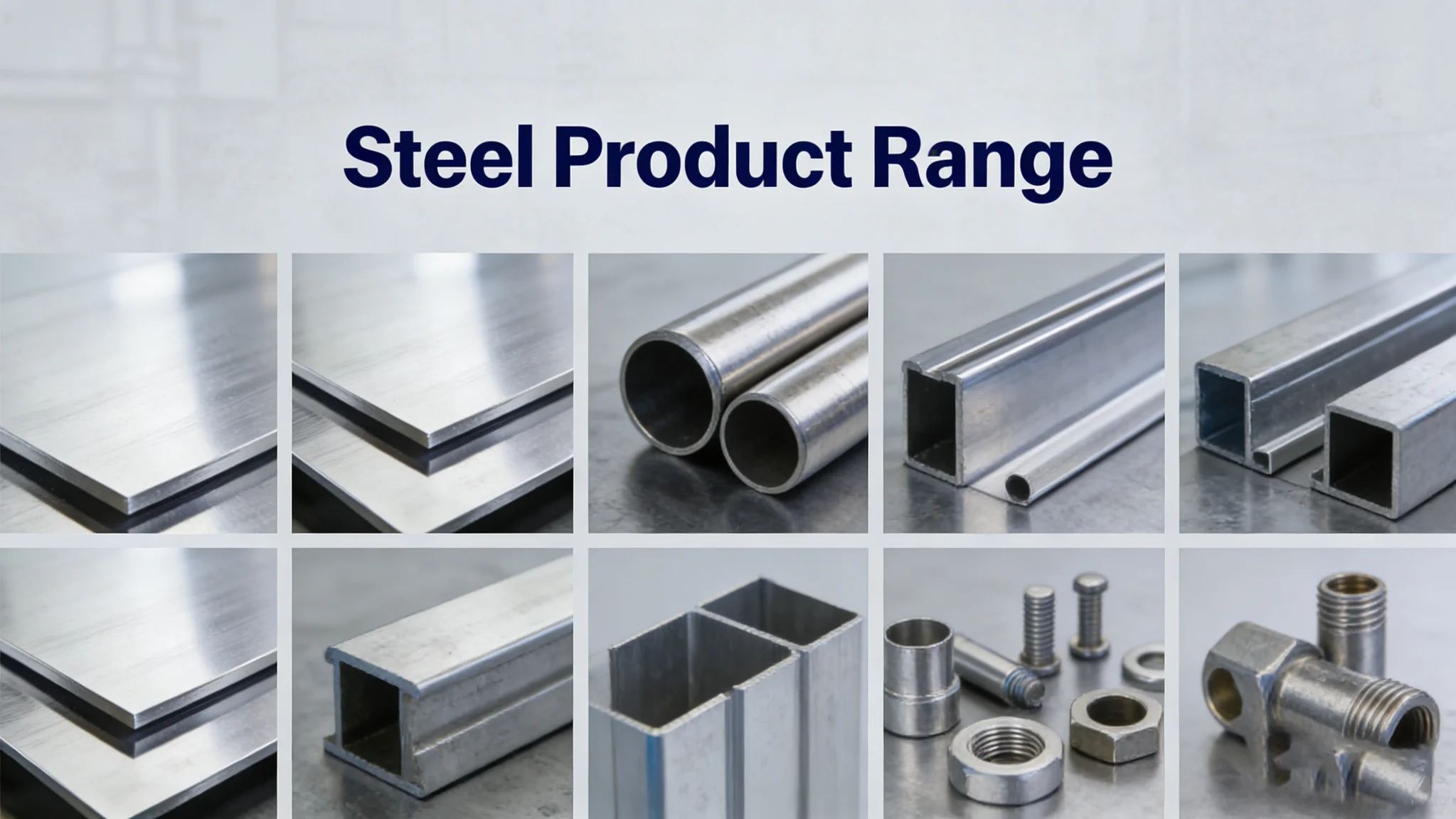
Plates and sheets reward careful size mixing and edge protection. If the thickness range is broad, a mixed loading plan often performs better than a simple one because lighter pieces can fill the voids created by heavier stock. Coils require special attention to support and restraint because concentrated weight and rolling risk are the real issues, not just volume use. Pipes and tubes look easy until bundle geometry wastes space or the chosen length forces a poor container choice.
Structural sections are another category where theory and practice often diverge. Channels, angles, and hollow sections can sometimes be nested efficiently, but only if the nesting does not create deformation risk or make unloading unsafe. A layout that looks clever in the warehouse can become a problem after three weeks at sea.
The questions buyers should ask before stuffing
Before approving shipment, ask how the load was calculated, not just how much it weighs. Ask where the dunnage goes, how the cargo is restrained, whether mixed dimensions were used intentionally, and what the destination needs in order to unload without damage. If the answer is simply “we load this way all the time,” that is not enough. A repeat method can still be wrong for the order in front of you.
It is also worth confirming route-specific limits. Some lanes are constrained by destination weight rules, port practice, or inland trucking restrictions. A container that is acceptable at origin can still become costly if the destination side cannot move it legally or efficiently.
How good loading improves commercial performance
Better loading does more than reduce freight per ton. It improves cargo condition, cuts handling time, and lowers the chance of claims. Those gains are harder to see on a quotation sheet, which is why many teams undervalue them. But over time they matter. Two suppliers may quote the same steel price and the same container count while delivering very different real outcomes because one pays attention to loading quality and the other does not.
That is why buyers should treat loading plans as part of the supply offer, not as warehouse trivia. If the shipment includes high-value finished surfaces, mixed dimensions, or a difficult unloading environment, container planning deserves explicit discussion before production is finished.
The useful rule of thumb
Load as much as you can safely move, not as much as you can mathematically force into the box. For steel products, the best loading plan is usually the one that still looks sensible when you imagine the destination team opening the doors after a long voyage.
If a supplier can explain the payload, the restraint logic, and the unloading sequence in a way that makes sense, you are usually looking at a loading plan that will save money for the right reasons.
For teams planning mixed loads, it helps to compare the live Products range with Steel Container Planning: How to Estimate Capacity Without Guesswork and Steel Weight Calculation Guide before the stuffing plan is fixed.