Buyers often ask why steel prices move so quickly even when the product description looks unchanged. The short answer is that the quote is carrying more than base metal. Grade chemistry, coating weight, processing, mill schedule, freight, and market timing all change the number you see. The longer answer is that each of those layers affects different products in different ways.
A useful price review starts by separating the product itself from the route used to supply it. That is the difference between reacting to a quote and understanding it.
The mill cost is only layer one
Raw material cost still matters. Carbon steel reacts strongly to billet, slab, scrap, and energy conditions. Stainless pricing moves with nickel, chromium, and molybdenum exposure. Galvanized products add zinc consumption on top of the substrate cost. That means a price movement in carbon steel does not translate neatly to stainless steel, and a coated coil quote cannot be judged the same way as plain hot-rolled plate.
Specifications change the quote faster than many buyers expect
Two offers can describe roughly the same product and still carry very different cost because the real specification is not the same. Tighter thickness control, narrower width tolerance, polished surface, film protection, cut-to-length service, specific test requirements, or heavier zinc coating all add conversion cost. Buyers comparing galvanized steel should be especially careful here, because coating class and surface condition can shift the quote meaningfully even before freight is considered.
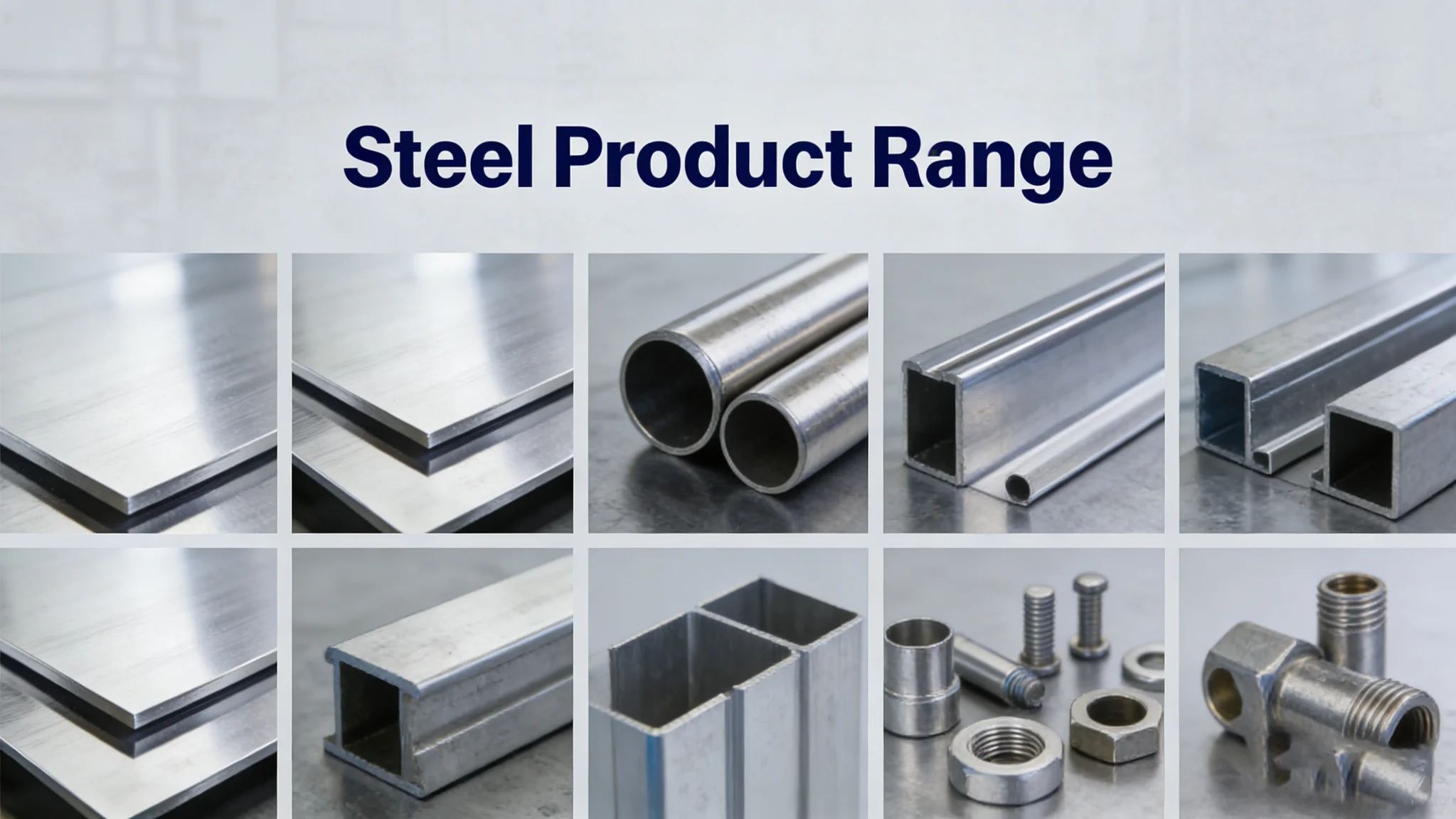
The same principle applies to flat and tubular products. A supplier quoting stock-size stainless plate is not quoting the same service as a supplier who is providing cut pieces with protected finish and export packing.
Mill position and order size also matter
When mills are full, small spot orders are priced differently from repeat schedule business. If the order fills an existing rolling plan, the price can be sharper. If the mill has to open a small run, source special input, or split coils after production, the cost rises. Buyers sometimes assume quantity always lowers the unit price, but the more accurate rule is that quantity helps when it fits the supplier’s production logic.
Freight and handling can overwhelm a good ex-works number
Steel is heavy, and the route matters. Inland transport to port, export packing, fumigated wood, port handling, and ocean freight all sit between the mill price and the landed cost. Container efficiency is part of that math. Heavy plate is often weight-limited, while lighter finished material may be volume-limited. The article on steel container planning is useful when freight cost per ton changes with loading method rather than with the mill price alone.
Trade policy and currency move the landed number
Even when the supplier’s factory cost is stable, the buyer’s actual cost can move because duties, anti-dumping measures, local taxes, or exchange rates change. That is why international buyers should compare quotes on a landed basis whenever possible. The cheapest factory number is not necessarily the cheapest delivered result once banking, freight timing, and customs treatment are included.
How to compare quotes without fooling yourself
Ask the supplier to break the offer into product description, grade and standard, packing scope, document scope, Incoterm, lead time, and validity period. Then compare those same points across all offers. If one supplier is quoting A36 plate and another is quoting the nearest domestic substitute, or if one galvanized quote assumes a lighter coating than the other, the price gap is not a market signal. It is a specification gap.
Steel prices move for real reasons, but buyers do not need to guess at them. A disciplined quote comparison usually shows whether the price difference is coming from the mill, the specification, or the route.
Continue the price review
These related pages help when you need to understand cost movement in a sourcing context rather than in isolation:
- Importing steel from China for the full landed-cost workflow.
- Galvanized steel coil: hot-dip vs electro when coating choice changes the quote.
- A36 vs Q355 for importers when price differences are really grade differences.
- Stainless steel category for higher-alloy products with surcharge exposure.