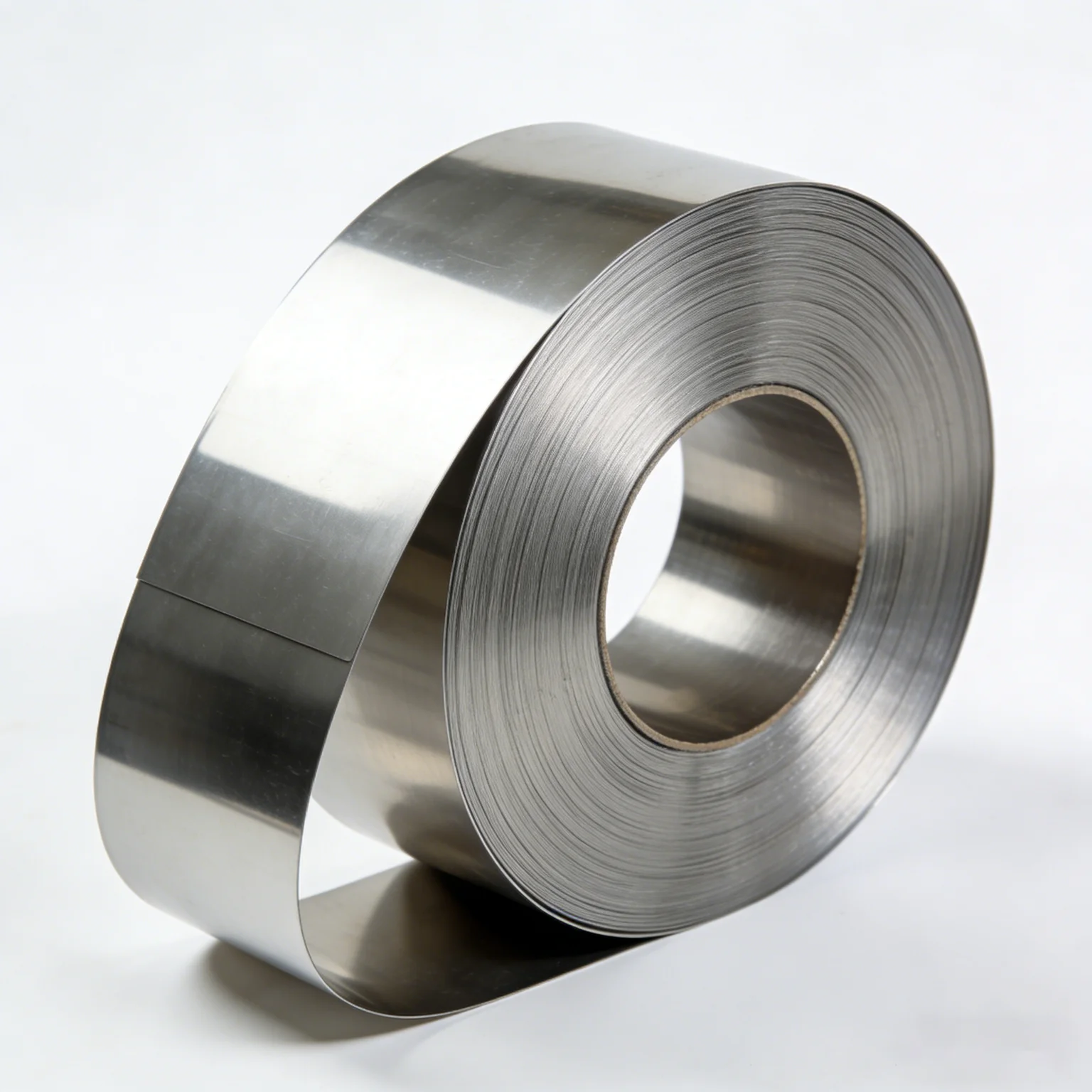
Hot-dip galvanized and electro-galvanized coil both protect steel with zinc, but they are not interchangeable just because they share the word “galvanized.” The difference is not only in coating method. It shows up in coating weight, corrosion performance, surface appearance, forming behavior, and price logic.
Buyers get into trouble when they choose between them by unit price alone. The better question is what the product has to survive after delivery: outdoor exposure, painted indoor use, forming, spot welding, or visible finish requirements.
Why hot-dip is the normal answer for stronger corrosion protection
Hot-dip galvanized coil is usually selected when the order needs a heavier zinc layer and more durable corrosion resistance. Roofing, structural accessories, ducting, general outdoor fabrication, and many export-standard construction uses fall into this group. The surface is practical and widely accepted, but it is not usually chosen for the most refined cosmetic appearance.
Buyers working through the galvanized category should pay close attention to coating designation and not rely on the product family name alone. A page like ASTM A653 GI coil G60/G90 gives the order more commercial clarity than a vague request for standard galvanized coil.
Why electro-galvanized is often chosen for finish and forming
Electro-galvanized material is often preferred when the project needs a smoother, more uniform surface for painting, appliance components, automotive parts, or lighter fabricated products. Its appeal is usually about appearance and downstream processing, not about matching hot-dip performance in every environment. If corrosion life in exposed service is the top priority, buyers should be careful not to treat electro-galvanized as a like-for-like substitute.
The coating specification matters more than the label
Many disputes happen because both sides say “galvanized” while meaning different zinc levels, different surface expectations, or different end-use environments. A buyer should therefore define coating class, intended use, paintability expectation, and any visible-surface requirement in the RFQ. Without that, the cheaper quote may simply be the lighter or less durable coating route.
Commercial comparison should include service life and process cost
Hot-dip and electro-galvanized coils do not only differ in base price. They differ in what happens after purchase. If a smoother electro-galvanized surface reduces rework before painting, the total job cost may improve. If an outdoor application forces early corrosion maintenance because the wrong coating was chosen, the cheaper coil becomes expensive very quickly. That is why coating selection belongs alongside the broader price discussion in why steel prices move.
The right comparison is simple once the use case is clear. Choose hot-dip when corrosion reserve and general durability lead the decision. Choose electro-galvanized when finish quality and downstream forming or painting lead the decision. Just make sure the RFQ states that logic clearly before the supplier prices the order.
Useful pages for galvanized orders
- Galvanized products category for related coated steel options.
- ASTM A653 GI galvanized steel coil G60/G90 for coating-spec reference.
- Why steel prices move when coating choice changes total cost.
- How to import steel from China for the wider sourcing workflow.