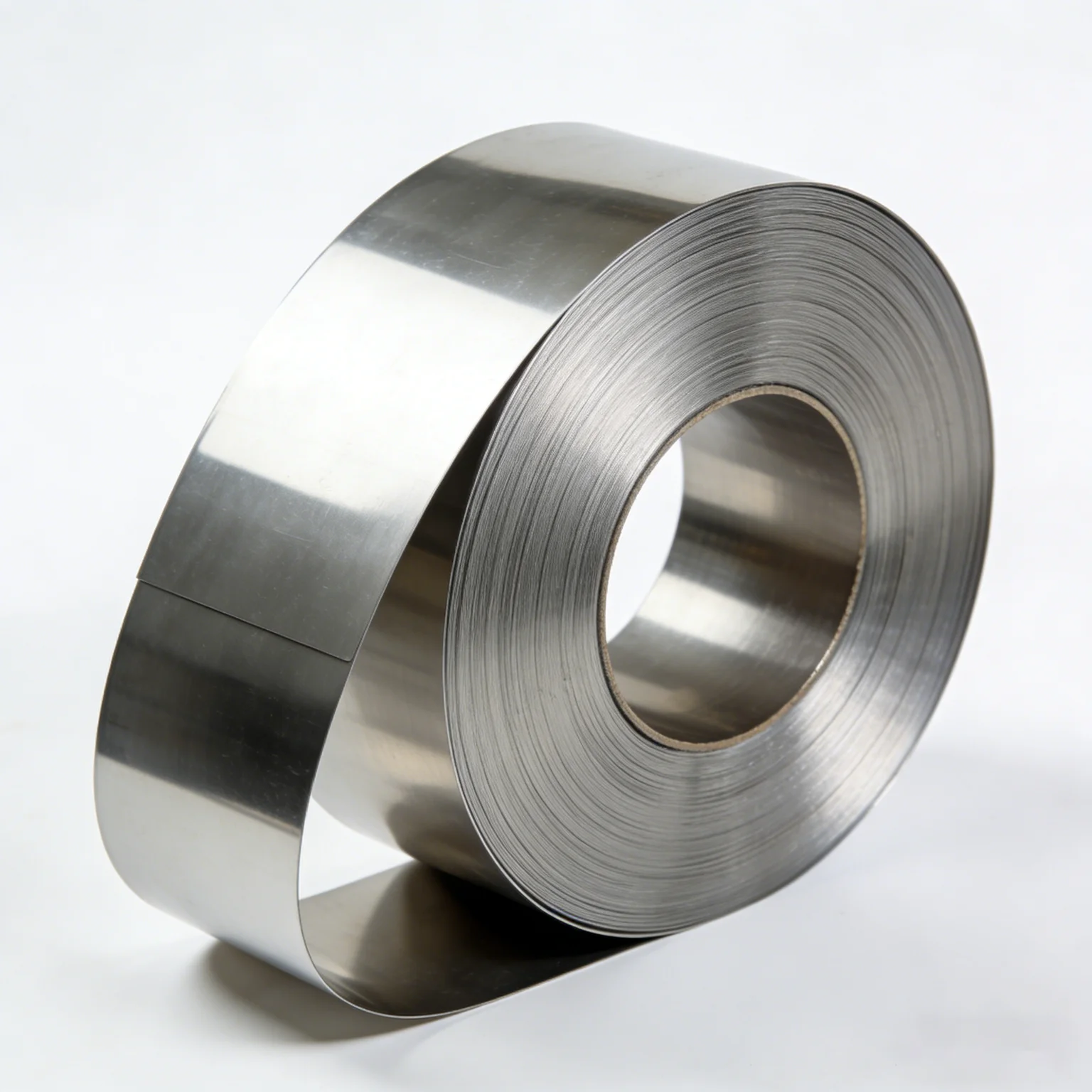
Stainless steel 304 coil price is often treated like a single market number, but buyers do not purchase a market headline. They purchase a very specific combination of thickness, width, finish, edge condition, packaging, and delivery responsibility. That is why two quotations for “304 coil” can look close in product description and still be far apart in landed cost.
The most useful way to read a coil offer is to separate the metal value from the conversion and delivery value. Once you do that, the price starts to make sense.
Base stainless cost is only the starting point
304 pricing still moves with stainless input cost, mill order position, and the wider market for austenitic grades. But buyers usually feel the difference through the finished offer rather than through the raw surcharge alone. If the supplier is quoting from a stable mill source with a standard width and finish, the number may be competitive. If the order needs unusual width, light-gauge stability, extra surface protection, or fast export packing, the conversion cost can move faster than the metal itself.
Finish and processing change the quote quickly
This is where many comparisons go wrong. A basic coil offer is not the same as a slit, filmed, edge-controlled export order. Surface choice matters too. Buyers checking 2B or BA material should compare the finish requirement alongside the price, especially if the coil is feeding visible parts or polished fabrication. The difference is easier to understand when you also review steel coil surface finishes instead of comparing quotes as if finish were only a cosmetic note.
Product scope matters just as much. A general category offer from the stainless steel range is not equivalent to a quote for a specific item such as 304 stainless steel coil strip with committed export packing and traceability.
Order size helps only when it fits the mill route
Buyers often assume bigger tonnage automatically lowers unit price. Sometimes it does. Sometimes it does not. If the order fits the supplier’s standard mill width, minimum run size, and slitting plan, volume helps. If the order requires split widths, special film, or a short production window, additional tonnage may reduce flexibility more than it reduces cost. This is why a realistic lead time and production route matter as much as the quantity line on the RFQ.
Freight and packing are part of 304 coil pricing
Coil is dense, heavy, and sensitive to packing quality. Export skids, rust protection, edge guards, fumigation, and loading method all affect the final number. For imported material, container efficiency and inland handling can reshape the cost per ton significantly. That is why buyers should connect coil quotations with the broader cost breakdown in why steel prices move and with the logistics decisions covered in importing steel from China.
The cleanest way to compare 304 coil prices is to ask every supplier for the same finish, width, packing scope, Incoterm, and validity period. Once those variables are aligned, the cheaper offer is usually really cheaper. Until then, price gaps often reflect scope gaps rather than market gaps.
Useful pages for 304 coil sourcing
- Stainless steel category for broader coil, sheet, and tube sourcing options.
- 304 stainless steel coil strip for product-specific ordering context.
- Steel coil surface finishes when finish choice is driving the price gap.
- Why steel prices move for wider cost pressure beyond the coil itself.