PC Strand Buying Guide: ASTM A416 & BS 5896 Prestressed Concrete Strand — Grades, Relaxation, and How to Specify for Bridges and Buildings
When a bridge span, a precast hollow-core slab, or a high-rise floor needs to carry load without cracking, engineers reach for PC strand — prestressed concrete strand. It is a seven-wire steel cable (one straight core wire with six wires twisted around it) that is stretched and anchored to put concrete permanently in compression. Get the grade, relaxation class, or coating wrong and the structure loses prestress over time, deflects, or corrodes from the inside out.
This guide explains the standards buyers meet most often (ASTM A416, BS 5896, EN 10138), the diameter and strength options, why low-relaxation matters, and exactly what to put in your RFQ.
What Is PC Strand?
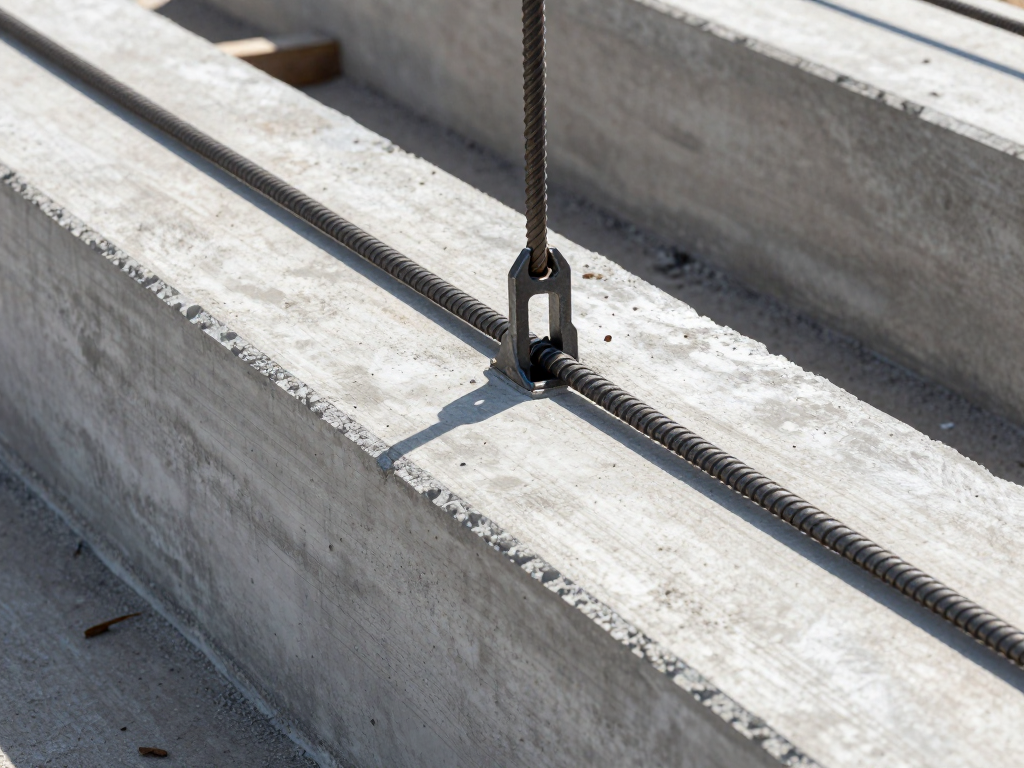
PC strand is a cold-drawn, high-carbon steel cable made of seven wires: a center straight wire and six helically laid outer wires. The cold drawing gives it very high tensile strength (up to 1860 MPa / 270 ksi) with low weight, which is why it replaces rebar wherever long, slender, crack-free concrete members are needed.
Strand Types Compared
| Type | Description | Best For |
|---|---|---|
| Plain (bare) strand | Uncoated, bright steel | Standard bonded prestressed concrete |
| Galvanized strand | Zinc-coated wires | Corrosive environments, external cables |
| Epoxy-coated strand | Fusion-bonded epoxy | Aggressive chemical / marine exposure |
| Unbonded strand | Oil + plastic sheath | Post-tensioned slabs, easy re-stressing |
Diameters and Strength Grades
The diameters buyers specify most often:
| Nominal Dia. (mm) | Common Grades | Typical Use |
|---|---|---|
| 9.3 / 9.5 | 250 & 270 ksi | Slabs, hollow-core, railroad ties |
| 11.1 | 250 & 270 ksi | Precast beams, piles |
| 12.7 | 250 & 270 ksi | Bridges, buildings, general PT |
| 15.2 / 15.7 | 250 & 270 ksi | Large bridges, anchors, ground cables |
270 ksi (1860 MPa) is the workhorse for modern structures; 250 ksi (1725 MPa) is still common in older-spec and some Asian projects.
Standards Buyers Meet
- ASTM A416 (USA): Grade 250 / 270, low-relaxation, the most quoted spec worldwide.
- BS 5896 (UK): 1570 / 1770 / 1860 MPa classes, often with UKCA marking.
- EN 10138 (Europe): Y1860 / Y1960 classes, CE marked.
- KS D7002 / JIS G3536 (Korea / Japan): regional equivalents.
Always state the standard and class so mills test to the right relaxation and mechanical limits.
Normal-Relaxation vs Low-Relaxation
Relaxation is the loss of tension in a permanently stretched strand over time. Low-relaxation (LR) strand loses roughly one-third the tension of normal-relaxation strand at the same stress, so the structure keeps more of its prestress. Today almost all bridge and building work specifies low-relaxation; only legacy specs call for normal-relaxation.
| Property | Normal Relaxation | Low Relaxation |
|---|---|---|
| 1000-h relaxation at 70% UTS | ~8–12% | ~2.5% (ASTM A416 LR) |
| Long-term prestress retained | Lower | Higher |
| Typical use today | Legacy only | Standard |
Coated vs Bare: When to Upgrade
Use bare strand for ordinary bonded members. Specify galvanized or epoxy-coated strand when the cable is external, exposed, or in a chloride environment (coastal bridges, parking decks, wastewater). For post-tensioned slabs where future re-stressing may be needed, choose unbonded strand with its grease-and-sheath system.
Common Applications
- Precast/prestressed concrete beams, hollow-core slabs, railroad sleepers.
- Box-girder and segmental bridges.
- Post-tensioned building floors and flat slabs.
- Ground anchors, soil nails, and retaining structures.
- Nuclear and water-treatment containment.
RFQ Checklist: What to Send Your Supplier
- Standard & class: ASTM A416 Gr 270 LR / BS 5896 / EN 10138
- Diameter (mm) and number of wires (7-wire)
- Coating: bare / galvanized / epoxy / unbonded
- Relaxation class: low-relaxation
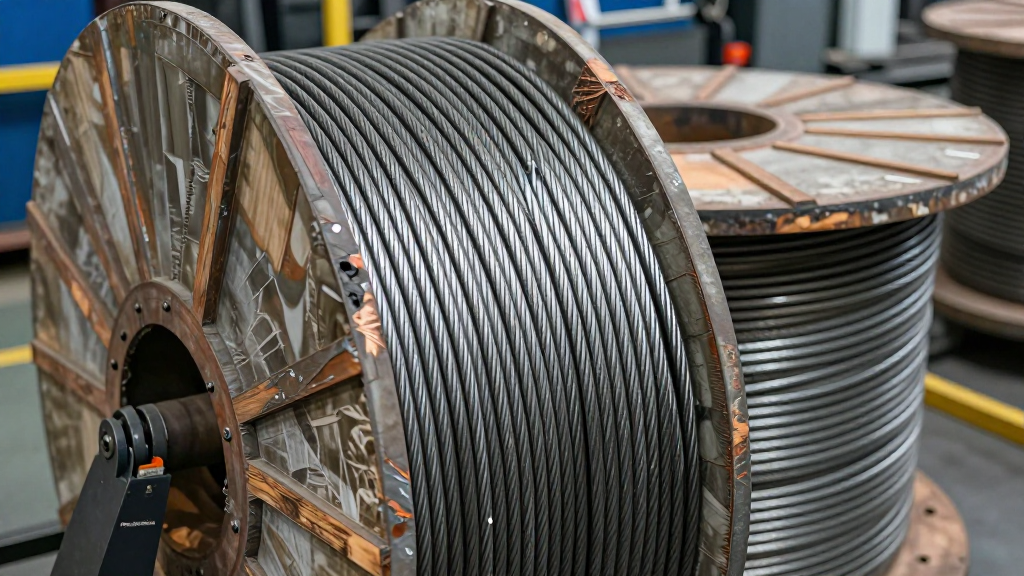
- Coil / reel: weight, length (e.g., 2.5 t reel), winding
- Quantity (tonnes) and delivery schedule
- Test certificates: MTC to EN 10204 3.1
- Destination port and Incoterm
FAQ
Can I substitute 250 ksi for 270 ksi? Only with the engineer’s approval — the section was designed for a specific prestress force, so a lower grade means fewer strands or a redesign.
Galvanized or epoxy for a coastal bridge? Both work; epoxy gives thicker, more durable coverage for severe exposure, galvanized is easier to handle and termination.
How is strand shipped? On wooden or steel reels, typically 1.5–3.6 t each, with the ends sealed and marked with grade, diameter, and heat number.
Why Source PC Strand from Yihang Metal
Yihang Metal supplies 7-wire low-relaxation PC strand to ASTM A416, BS 5896, and EN 10138 in 9.3–15.7 mm diameters, bare or coated, on reels matched to your payout equipment. Every reel ships with a mill test certificate (heat analysis, tensile, relaxation), and we support third-party inspection before container loading. Standard grades typically ship in 25–35 days for full containers.
Ready to specify your PC strand? Send us the standard, diameter, coating, and reel requirement, and we will confirm grade availability, relaxation class, and lead time with a fixed-price quote and MTC. Email [email protected] or use the quote form on this page — our engineering team replies within one business day.